
Teepees, pop-up tents and fabric play cubbies that work indoors on a rainy afternoon and outdoors on a fine one, then fold flat and go...
Read More
Read More
-
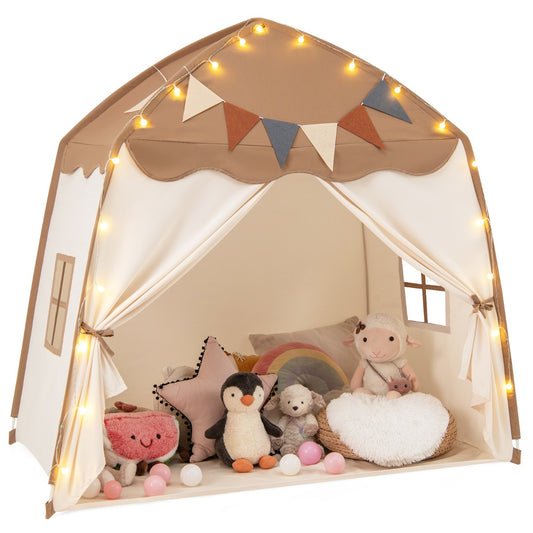
Large Coffee Kids Tent | Bright Fairy Lights & Flags Age 3+
Regular price $89.00Regular price$88.13Sale price $89.00 -
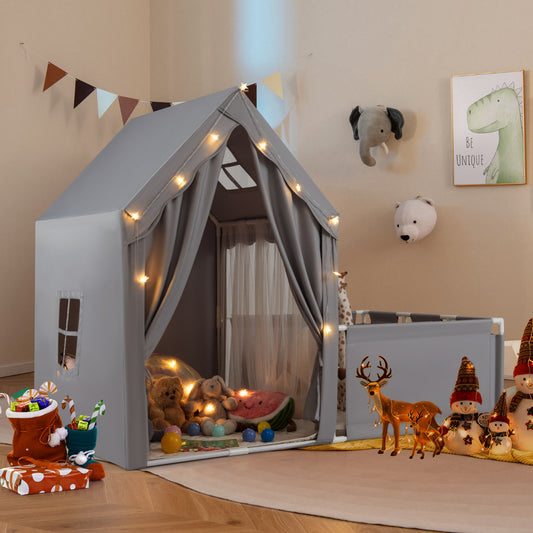
Kids Play Tent With Playpen Star Lights Cotton Mat Grey | 2in1
Regular price $99.00Regular price$99.33Sale price $99.00Sale -
Keezi Kids Play Tent Playhouse Castle with Floor Mat String Ball Light 134X103CM
Regular price $106.00Regular price$159.99Sale price $106.00Sale




Teepee or pop-up Teepees are built around timber poles and canvas or cotton fabric. They stand up as a piece...
Read More
🚚
Tracked Australia-Wide
From our store to your door
🇦🇺
Australian Owned
Serving Aussie families since 2011
🛡️
Secure Checkout
Afterpay, Zip, PayPal & more
💜
15 Years Trusted
Thousands of happy families
