
Cubby houses from compact ground-level playhouses for toddlers through to elevated timber cubbies with verandahs, slides and rock walls. All flat-packed for home assembly with...
Read More
Read More
-
Finley Cubby House | Spacious 2m Tall Wooden Playhouse
Regular price $1,699.00Regular price -
Winchester Cubby House | Spacious Wooden Playhouse with Veranda
Regular price $1,799.00Regular price -
Aberdeen Cubby House | Spacious Kids Shop Play Set in Natural Wood
Regular price $799.00Regular price -
Climber and Playhouse Playset for Kids with Endless Fun
Regular price $209.00Regular price$215.53Sale price $209.00Sale -
Cubby House with Slide Rock Wall Noughts & Crosses Natural
Regular price $2,390.00Regular price -
Cubby House with Slide Rock Wall Noughts & Crosses Grey
Regular price $2,390.00Regular price


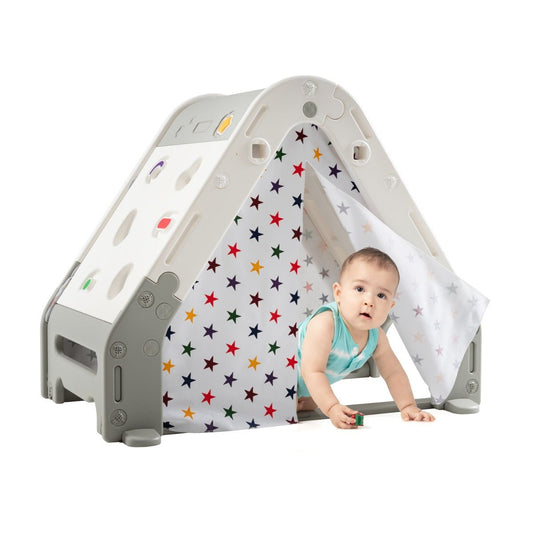

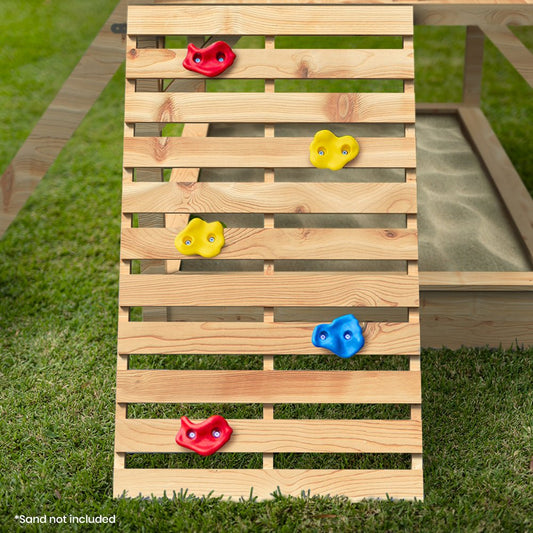


Ground level or elevated Ground-level cubbies sit directly on the lawn with a low step or none at all. They...
Read More
🚚
Tracked Australia-Wide
From our store to your door
🇦🇺
Australian Owned
Serving Aussie families since 2011
🛡️
Secure Checkout
Afterpay, Zip, PayPal & more
💜
15 Years Trusted
Thousands of happy families
